








Electrophysiology Internal Solution Kits for more reproducible and time-efficient electrophysiology
★ Introduction ★ Validated Patch-Clamp Results ★ Testimonials ★ Benefits ★ The Instant Packet Range
Preparing artificial cerebrospinal fluid (aCSF) and cutting solutions from scratch is a time-consuming, error-prone necessity of electrophysiology. Even small deviations in osmolarity or pH can lead to inconsistent results and compromised slice health.
Our Instant Powder Packets eliminate the variability of manual prep. Each packet is precision-weighed to make exactly 1L of solution—simply dissolve in dH2O, bubble with carbogen, and you’re ready to record. Stop weighing individual salts, prevent osmolarity drift, and ensure perfect consistency every time.
Why Scientists Are Switching to Instant Packets
Preparing internal solutions from scratch is a notoriously time-consuming and error-prone necessity of electrophysiology. Hello Bio Instant Packets eliminate the variability of manual buffer preparation, returning hours of time back to your research.
Traditional Manual Prep
- Sourcing, ordering, and storing 7+ individual salts.
- Weighing micro-quantities of hygroscopic chemicals.
- High risk of human error and batch-to-batch inconsistency.
- Time-consuming pH balancing and osmolarity correction.
The Hello Bio Instant Kit
- Everything you need in one highly stable, pre-weighed packet.
- Zero weighing required—just add dH2O.
- Expertly validated formulations ensure absolute reproducibility.
- Includes matched concentrated hydroxide for instant pH adjustment.
Quick Preparation Workflow
Create 80-100mL of precise internal solution in four simple steps.
Dissolve the included KOH or CsOH in dH2O to create your 5M adjustment solution.
Empty the internal solution powder into 70mL of dH2O and mix thoroughly.
Add hydroxide dropwise to reach pH 7.2, then top up with dH2O to hit your target osmolarity.
Divide into daily aliquots and store at -20°C. Thaw only what you need for the day's recordings.
Which Internals Solution Kit is Right for my Experiments?
Select the optimal formulation based on your recording requirements. All kits are rigorously QC-tested to ensure baseline stability and high-fidelity responses, as demonstrated in the representative traces below.
| Product Name | Primary Cation | Key Features | Example Applications | |
|---|---|---|---|---|
| Potassium methanesulfonate (KMeSO3) Cat No: HB8727 |
K+ | Physiological formulation. Standard EGTA/HEPES balance. | Current clamp, STP/LTP measurements. | 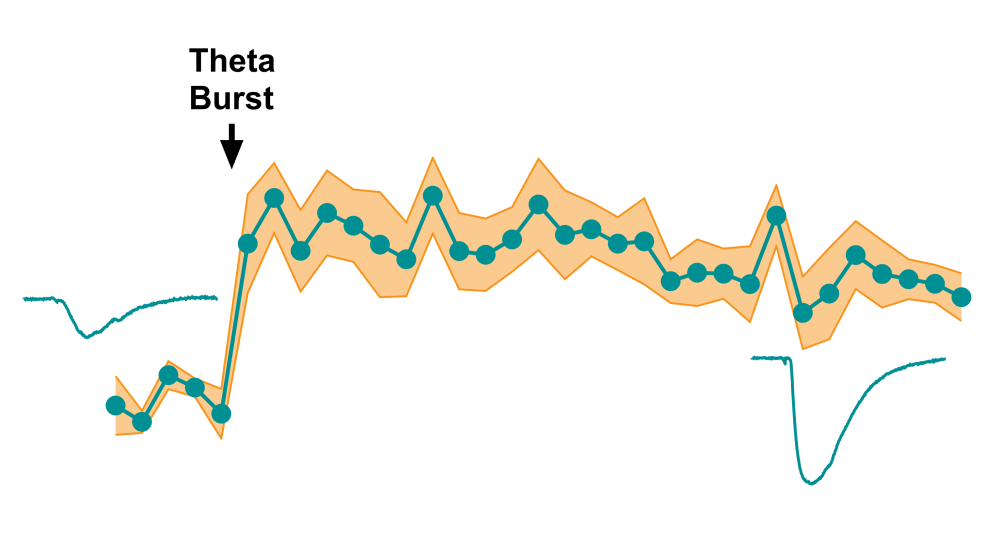 |
| Potassium gluconate (K-Gluc) Cat No: HB8297 |
K+ | Physiological formulation utilizing Gluconate anion. | Current clamp, neuronal firing patterns. | 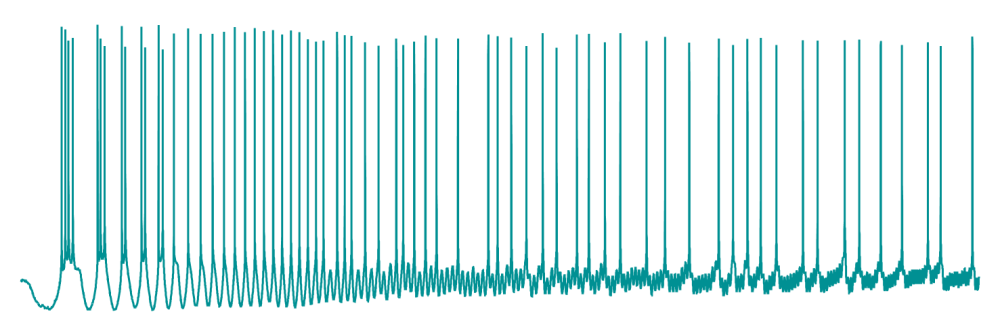 |
| Cesium methanesulfonate (CsMeSO3) Cat No: HB7783 |
Cs+ | Effectively blocks K+ channels. | Voltage clamp, miniEPSC / mini IPSC recordings. | 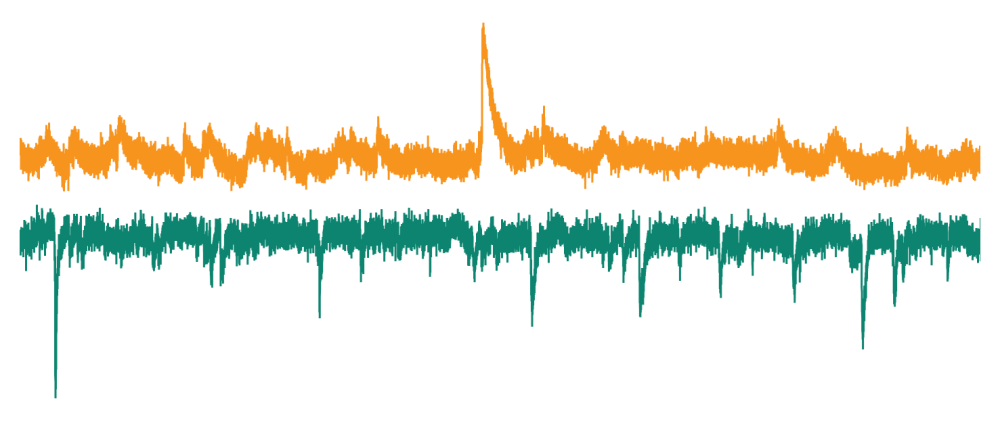 |
| CsMeSO3 with QX-314 Cat No: HB31291 |
Cs+ | Includes QX-314 and Spermine to block Na+ currents. | Isolating AMPA/NMDA receptor mediated currents. | 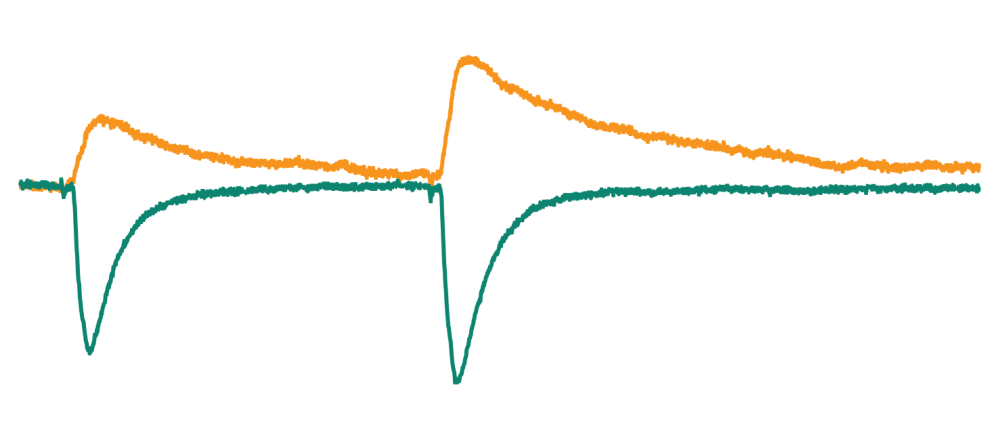 |
| Cesium Gluconate (Cs-Gluc) Cat No: HB8198 |
Cs+ | Blocks K+ channels utilizing Gluconate anion. | Voltage clamp recordings. | 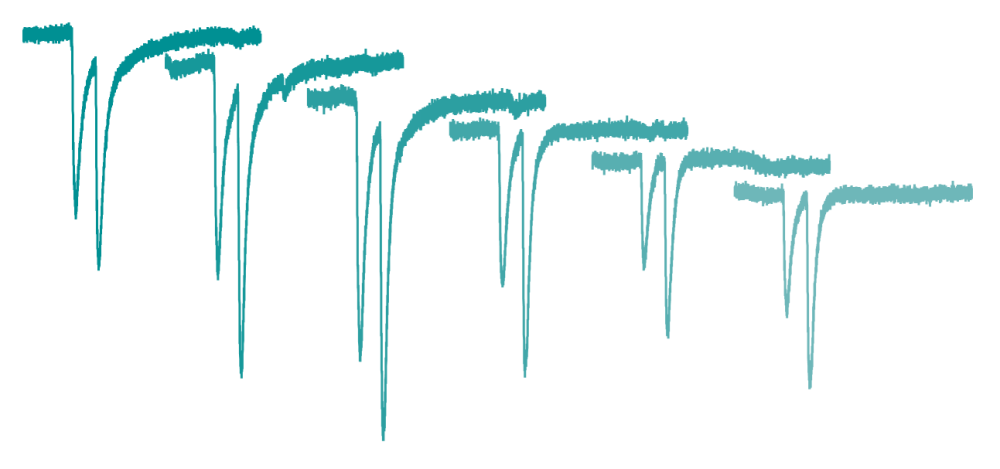 |
References
- Banks et al., 2021. Plasticity in Prefrontal Cortex Induced by Coordinated Synaptic Transmission Arising from Reuniens/Rhomboid Nuclei and Hippocampus. Cereb Cortex Commun. PMID: 34296174
- Buchanan et al., 2010. Facilitation of long-term potentiation by muscarinic M(1) receptors is mediated by inhibition of SK channels. Neuron. PMID: 21145007
- Park et al., 2021. PKA drives an increase in AMPA receptor unitary conductance during LTP in the hippocampus. Nat Commun. PMID: 33462202
- Segev et al., 2016. Whole-cell Patch-clamp Recordings in Brain Slices. J Vis Exp. PMID: 27341060